An indoor LED display that works beautifully will fail outside in a single season — not because the technology is bad, but because outside is a different job. Direct sun, rain, coastal air, heat, wind load, and city sign codes each eliminate a class of hardware that would have been perfectly fine in a lobby.
Here is what an outdoor LED video installation actually has to survive, and the decisions that separate a ten-year asset from an expensive lesson.
Brightness: the sun does not negotiate
Content that reads perfectly indoors disappears in daylight. For an outdoor video display — a storefront, a facade, a plaza screen — plan on 5,000 nits or more of calibrated brightness, with automatic dimming for evening so the screen glows instead of glares. This is the single most common specification mistake in outdoor projects: hardware that looked stunning in the demo room and turns invisible at noon.
Weather: sealed, rated, and built for the coast
Outdoor panels need a proper ingress-protection rating — sealed against rain from the front, ventilated against heat from behind. In coastal California, from the Bay Area down to San Diego, add salt air and fog to the checklist: connectors, frames, and power supplies all need to be specified for it. Temperature swings matter too — a screen that bakes in Las Vegas summer needs different thermal engineering than one in San Francisco fog.
Structure and wind: the part you cannot see
An outdoor installation is a structural project before it is a video project. Wind load on a solid screen is substantial, and mounting has to be engineered to the building — not improvised on site. This is where our approach starts: site evaluation, structural review, and engineering before any hardware is ordered.
Permits: the schedule risk nobody budgets for
Cities regulate outdoor screens as signage — size, placement, brightness, and sometimes content hours. Approvals, not hardware, are usually what stretches an outdoor project's timeline. We coordinate permits as part of every installation; our guide to LED facade permits in Los Angeles covers how the process actually works.
The smarter alternative: behind the glass, facing out
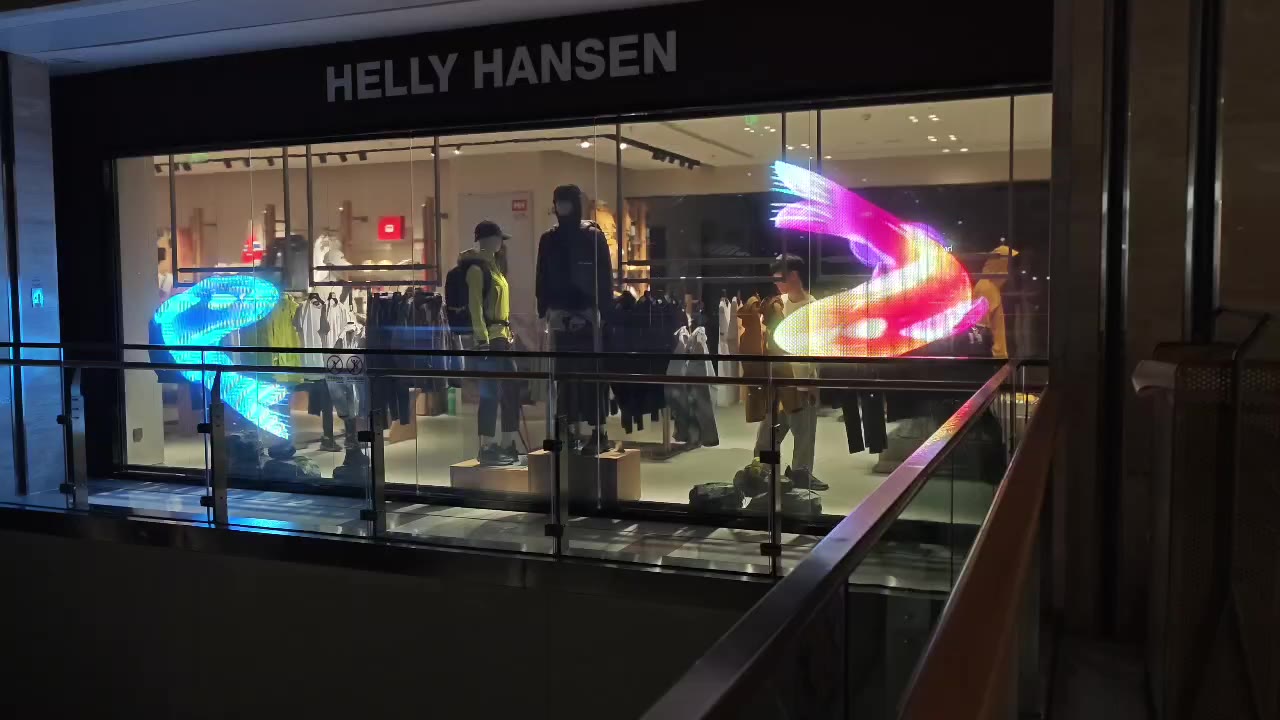
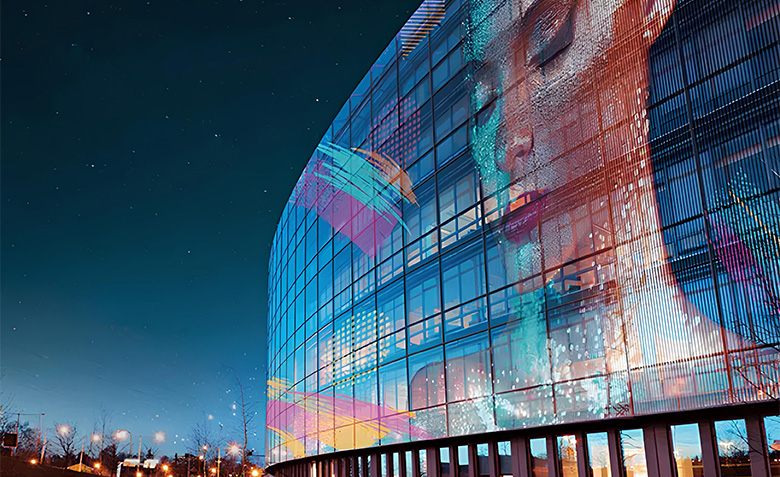
Here is the option most building owners haven't seen: instead of hanging a weatherproof screen outside, install transparent LED on the inside of your existing glass, playing outward. The glass protects the system completely — no weather sealing, no wind load, simpler permits in many cases — while the content reads from the street at full daylight brightness, and the window stays a window.
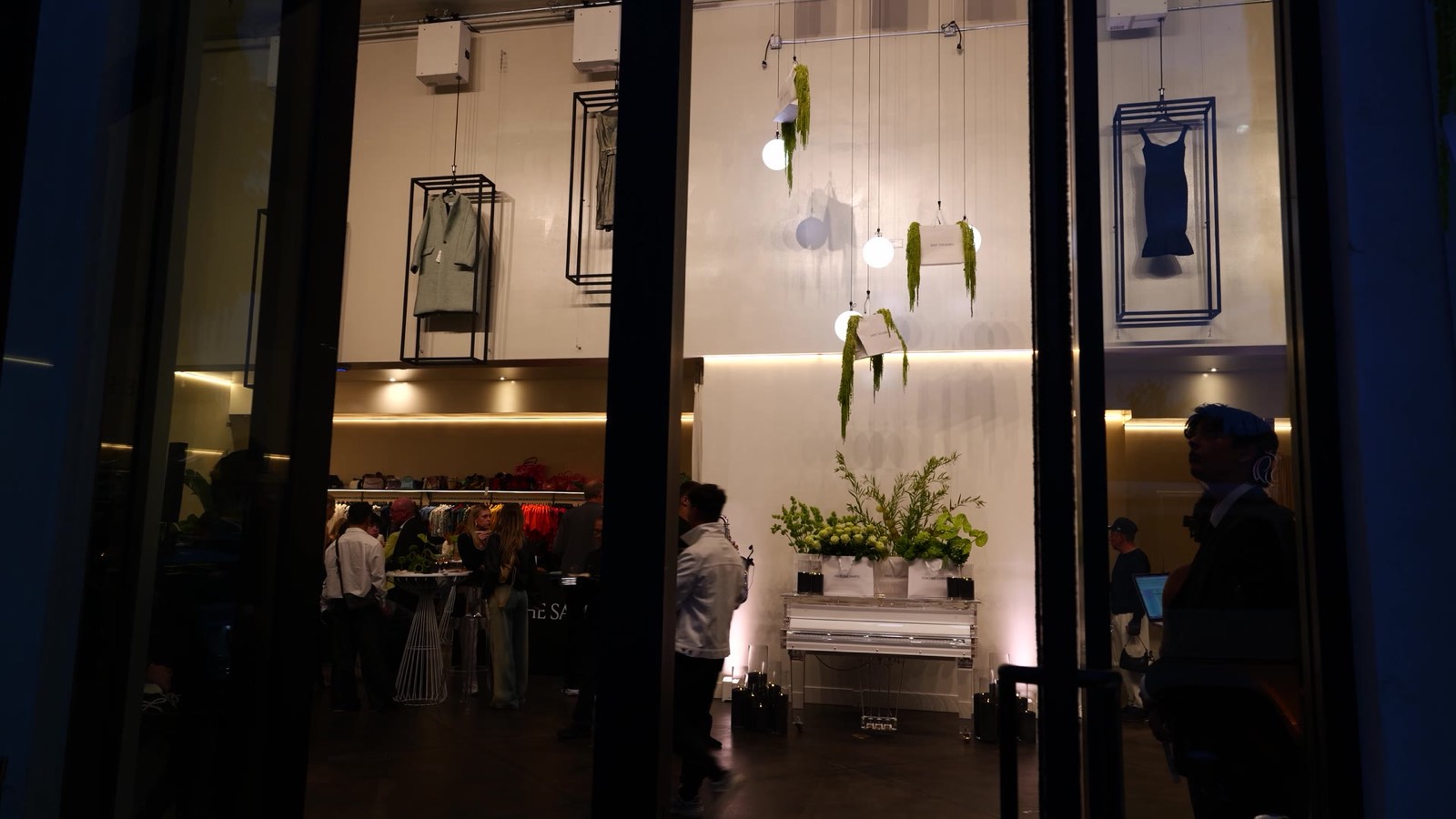
For storefronts, showrooms, and glass facades, this is often the faster, cleaner, and more durable path to an "outdoor" video presence. It is also how we turn retail windows into media without construction.
Where we build
NovaTech Install designs, engineers, and permanently installs outdoor and through-glass LED video systems across California and Nevada — Los Angeles, the San Francisco Bay Area, San Diego, and Las Vegas.
Planning an outdoor video installation? Send us the location and a photo of the site — we'll tell you honestly what it needs, what it doesn't, and whether the answer is outside the wall or behind the glass. The site evaluation is free.