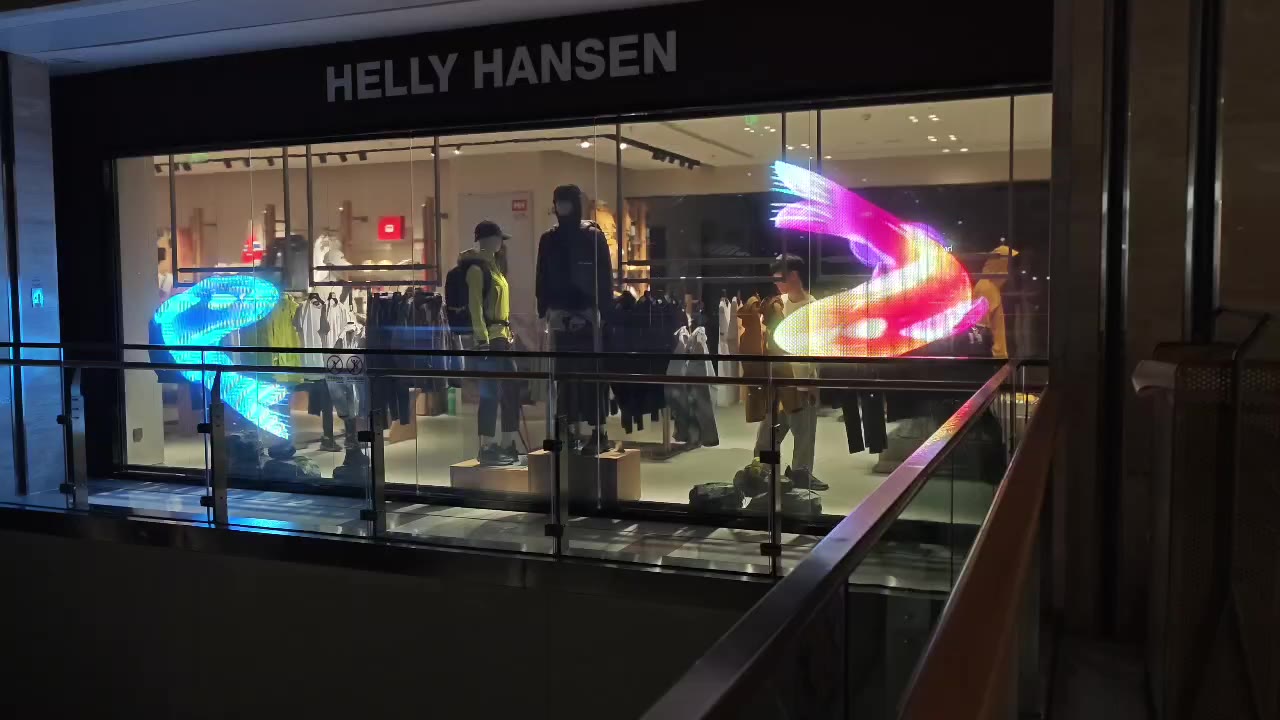
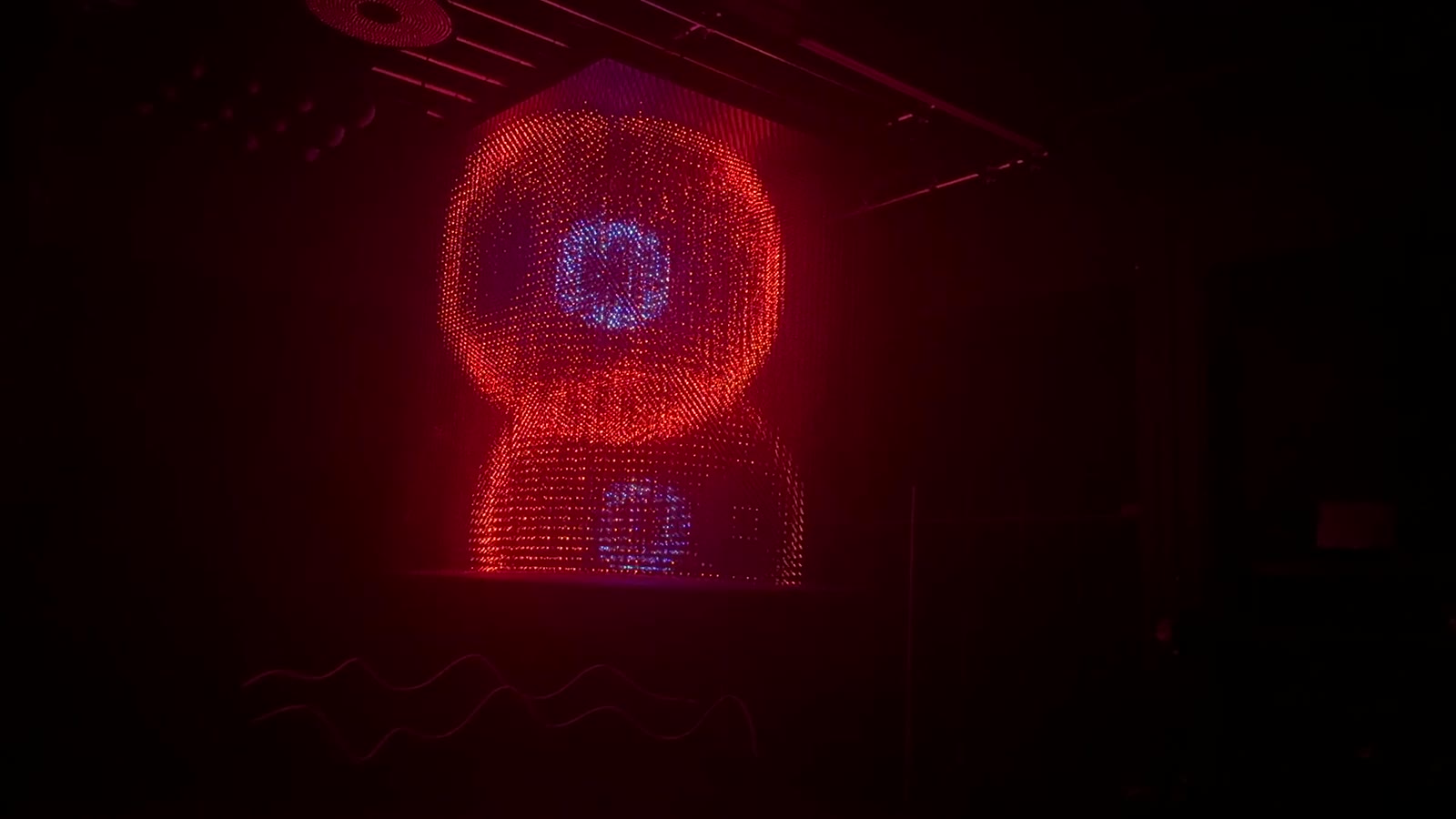
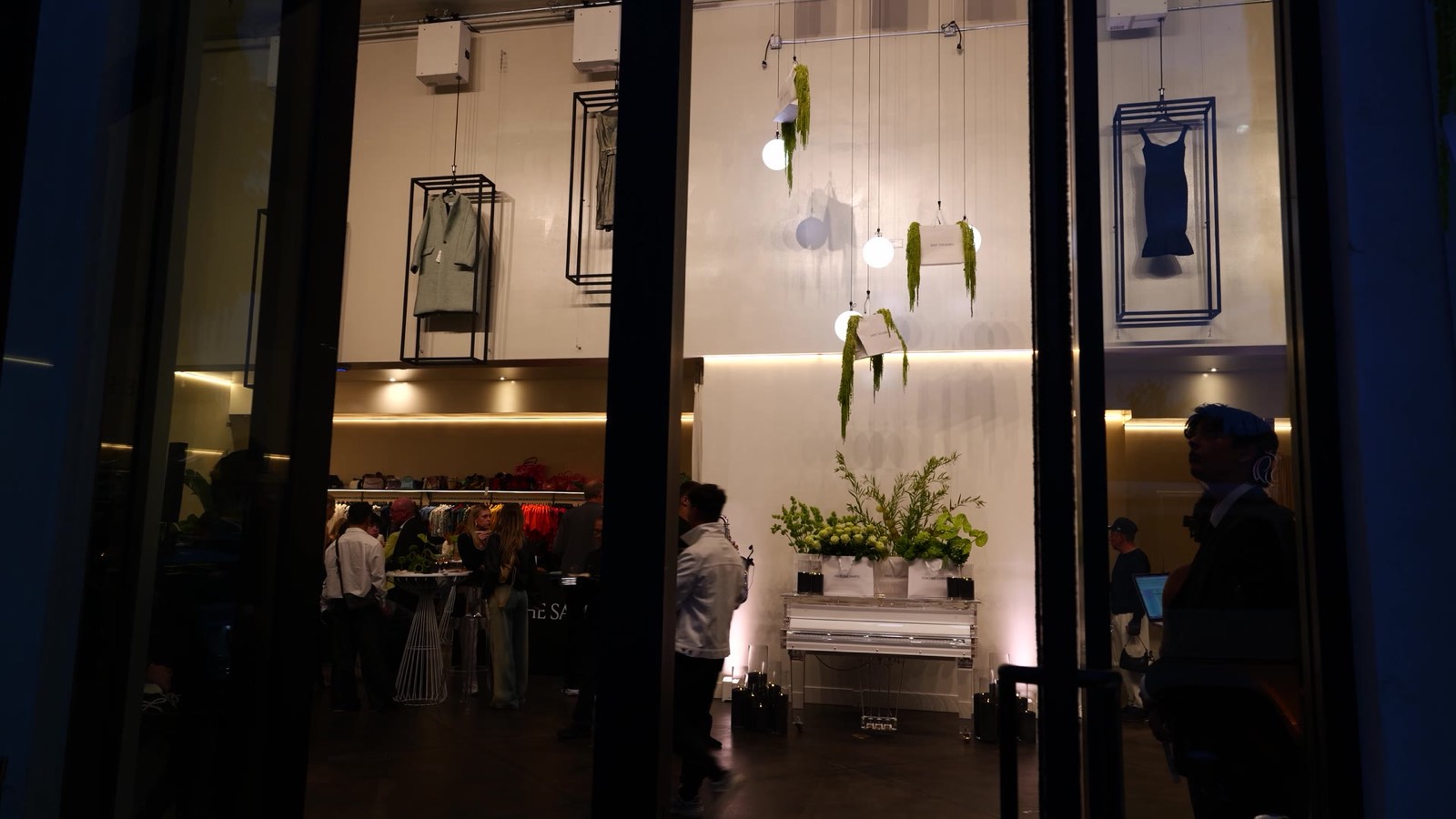
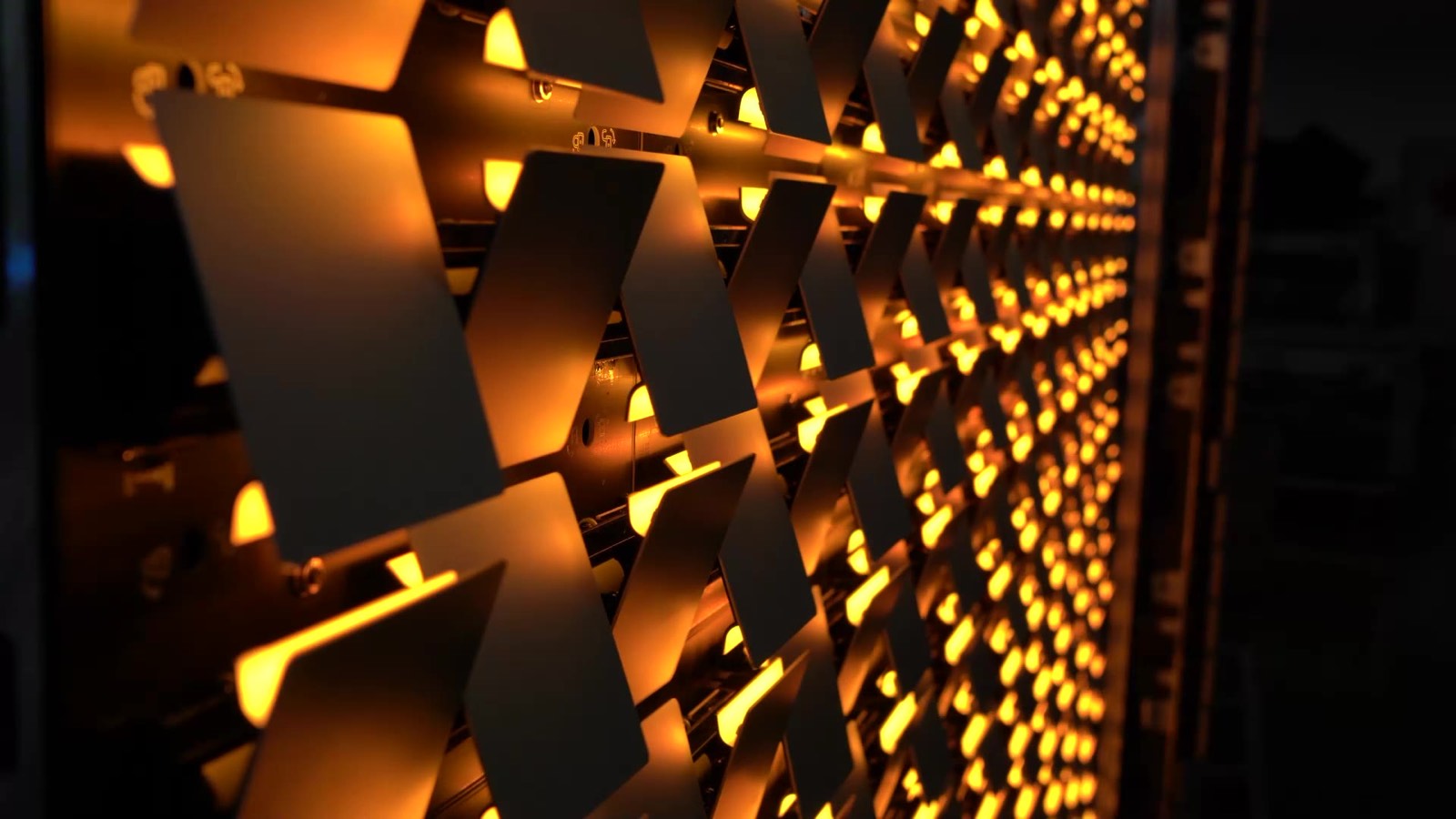
Walk any restaurant row at dinnertime and you can read each business from across the street before you ever see a menu: the ones that pull you over, and the ones you pass. The difference is almost always the window. It is the single most-passed surface a restaurant owns — and, in most cases, the least-used. A printed menu taped to the glass and a neon "OPEN" sign is a fraction of what that surface could do.
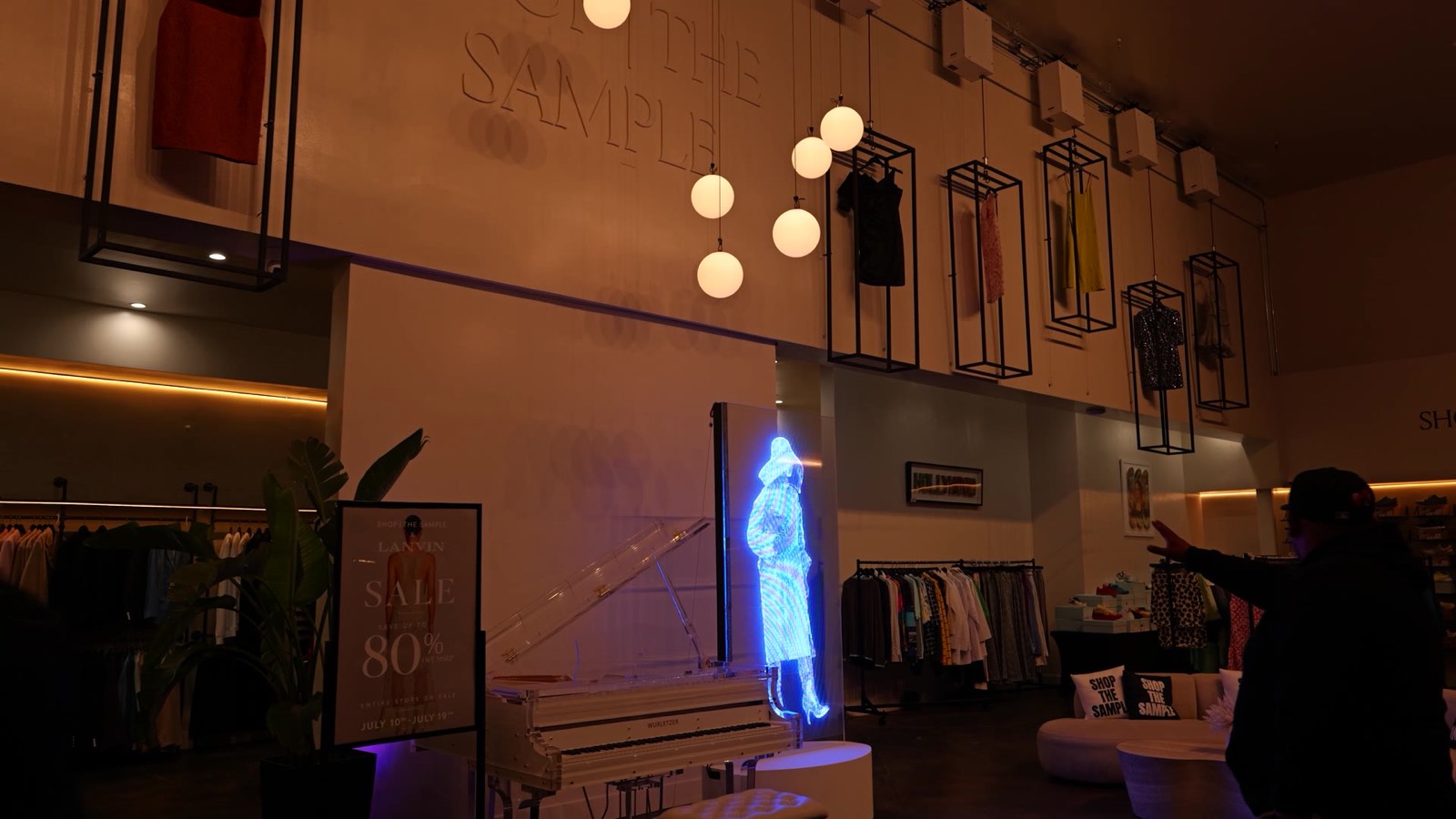
Transparent LED changes the equation, because it turns the window into a screen while it stays a window. The dining room, the bar, the light, and the life inside all stay visible — and the glass gains a second job.
The window a restaurant already owns
Every other advertising channel a restaurant pays for — delivery-app placement, social ads, print — rents attention somewhere else and hopes to send it back. The facade window is the one place where the audience is already standing at the door, deciding right now whether to come in.
Transparent LED mounts onto that existing glass. Our transparent LED mesh holds visual transparency above 80% and runs bright enough to read in direct daylight, on a surface light enough to fit most storefront glazing without rebuilding the facade. Nothing is boarded up; the room behind the glass stays on display. The window simply starts working for you the other twenty-three hours a day it used to sit idle.
One surface, every part of the day
A restaurant is really several businesses depending on the hour, and a transparent display can be each of them on a schedule:
- Lunch. The midday menu, the prix-fixe, today's special — legible from the sidewalk in full sun, changed as fast as the kitchen changes its mind.
- Afternoon. Happy-hour countdown, coffee and pastry, the quiet-hours offer that fills the tables between rushes.
- Evening. Ambiance takes over — slow motion, warm light, a signature dish, the mood that makes a passer-by decide this is the place. The lit dining room reads right behind it as depth.
- Private events & closures. A booking mode, an event branding, a "reserved tonight" message — the room stays visible and intentional instead of dark and ambiguous.
None of that is a reprint, a new sign, or a contractor visit. It is a content change, scheduled in advance or triggered on the night.
Why the dining room has to stay visible
This is the reason a restaurant should almost never use a solid LED wall in its window. A solid panel is a superb screen, but it turns the glass into a wall — and for a restaurant, the view into the room is half the pitch. Warm light, full tables, a chef at the pass, a bartender mid-pour: that is the most persuasive content you have, and it is free. A wall throws it away; transparent mesh keeps it and layers content on top. We unpack that trade-off in depth in our guide to transparent LED mesh versus an LED wall.
Built for a working restaurant
A restaurant is a demanding place to install anything, and the technology has to respect that:
- It works on the glass you have. The mesh mounts to existing storefront glazing, so the kitchen keeps running and the facade keeps its look.
- It is daylight-readable. Content that must compete with afternoon sun on a west-facing patio needs real brightness — and dims gracefully at night so it never becomes glare for the tables inside or the neighbors across the street.
- It films clean. A flicker-free surface means every guest who photographs their meal against your window is quietly producing content for you.
- It is a media channel, not a light fixture. The real value shows up in month three, when someone owns the calendar and the window changes with the season, the menu, and the event schedule.
What to plan before you install
Two things decide the budget and the timeline, and both are worth settling early. First, the glass and structure — mounting, power, and access, which we cover in our pre-installation checklist. Second, the approvals: a street-facing illuminated display often touches signage, electrical, and brightness rules at once, which we map out for one city in permits and approvals for LED facades in Los Angeles. And if the first question on your mind is cost, it comes down to your glass — above all its size — as we explain in what determines the cost of a transparent LED display.
Turn the window on
The best restaurant facades stop feeling like a storefront and start feeling like the first course. If your window faces foot traffic, it can do far more than hold a menu — it can be the reason someone crosses the street.
That starts with a look at your actual glass, and it costs you nothing: request a site evaluation with your window dimensions, and we will tell you exactly what your facade can become — lunch rush to last call.